FTC Sting Operation Targets ESP (Yesmail Part Deux)
Posted on November 15th, 2006 at 11:01 am by James O'Brien

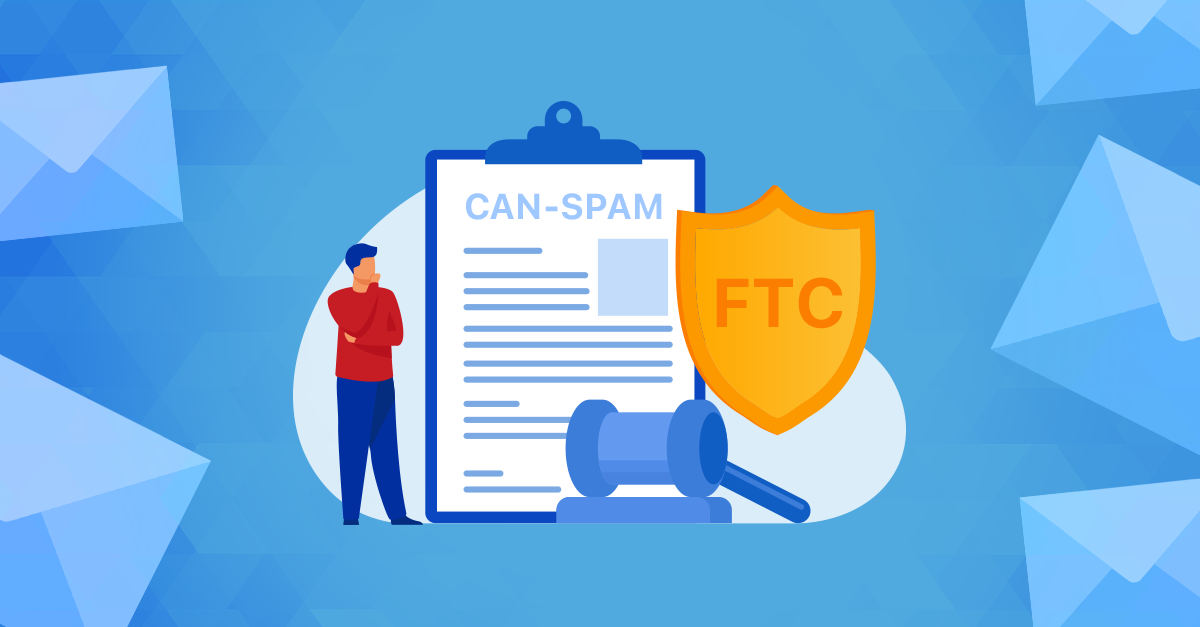
It was a fascinating ESPC tele-con yesterday as the industry discussed consensus on the huge ramifications of the FTC Sting Operation, complaint and ensuing settlement with Yesmail doing business as @once.

It is important  to note that the violation discussed, the sending of commercial email after the 10-Day opt out period to a consumer, was a legacy problem for Yesmail. It is also important to note that the FTC was targeting a legitimate company with a good reputation in the industry. This is also what makes the $50,000+ penalty so scary.

There are two big takeaways from the violation:

1- The FTC targeted an ESP or Email Service Provider for CAN-SPAM violations. Specifically they seeded emails addresses and watched the offers continue after 10 days and apparently up to 3 to 4 months after in this case. The company was sending on behalf of clients or advertisers, not mentioned in the complaint. If you send email and are responsible for a violation not in any way contributed to by the publisher or advertiser, you will be held responsible, in this case solely, for the violation.

The "Routine Conveyor" stipulation to CAN-SPAM, designed to protect ESP’s only involved in the technical sending of email was not a defense (nor could it be surmised if it was used as a defense in the argument). The ESPC call referred to the fact that @once had a multi-faceted service offering including consulting services which apparently adds responsibility for violations. In once sense, this takes some burden off of publishers and advertisers in certain cases.

2- The Can-Spam Act contains a provision protecting senders whose opt-out mechanism “is unexpectedly and temporarily unable to receive messages or process requests due to a technical problem beyond the control of the sender if the problem is corrected within a reasonable period of time.” this seemed to be the crux of the argument against the violation. Unsub emails from consumers were caught in a spam filter- but the length of the time the "glitch" lasted was key to the FTC for the prosecution of the violation. And even more than the length of time, the fact it was not "temporary" could have also been a contributing factor. The FTC simply stated the incident "did not meet the requirements of the safe harbor provision."

All we wanted to do on the conference call was continually shout our 1-866 number into the phone!

1-866-838-0455

Yesmail Settles With FTC
Posted on November 14th, 2006 at 12:15 pm by James O'Brien

A $50,717 civil penalty from the FTC is of course designed to make email marketers stand up and take notice. But of what?

When the FTC thumps a known bad guy we all nod in agreement, but when they send a message on enforcement through one of the good guys, we have to put our thinking caps on to see what the true impact is. I hate this about government regulation. No one can ever give you a straightforward answer. I read the drafts of CAN-SPAM that went through Congress to gauge intent and now I have been working on definitions for the points of compliance actually published in the Federal Register by the FTC. We will be sharing those shortly and look forward to your feedback on them.

Yesmail’s retort for the legacy problem it had with @Once’s unsubscribe snafu it seems should be covered under a caveat CAN-SPAM allows for technical malfunction that is clearly stated in the CAN-SPAM Act. We can rule out the spam filter problem in question here as one of the exemptions apparently. But more than that it seems the problem existed for a substantial period of time and the FTC took this aspect to heart.

LashBack currently monitors 292,152 unsubscribe mechanisms, the one aspect they all share is that they fail at some point- to what level and why is the key. The only way to know this is to monitor 24/7 and that is part of what we do at LashBack. Because of this fact and our expert knowledge of hundreds of different unsubscribe processes and mechanisms, we regularly help clients fix technical glitches and recommend improvements to unsubscribe processes.

We could go through a number of "tips and tricks" here, but when a company of Yesmail’s caliber and capability gets fined it becomes clear that third-party monitoring is the only solution.

Topic Resources:

PDF of FTC Complaint and Findings

FTC Yesmail Press Release on Settlement

DM News Article on Settlement

Yesmail Statement on FTC Settlement

LashBack CAN-SPAM Monitor