Posted on January 25th, 2005 at 5:13 pm by Brandon Phillips
I am the CTO of LashBack (http://www.lashback.com). We are an anti-spam firm that has been focused on the problems with email unsubscribe since 2003.
I recently read a small debate on Slashdot about whether unsubscribe actually works.
(http://it.slashdot.org/it/04/12/15/1519257.shtml?tid=111&tid=1). There were a lot of great points made here on both sides. Some say unsubscribe requests are intentionally used to send you more spam, and others say it actually reduces the volume of mail they get.
Ironically, both sides of this argument are correct based on what we have seen at LashBack. Yes, there are some companies that do harvest unsubscribe requests and use them to send even more spam. We know this because we have developed tests to watch for this exact behavior. On a daily basis, we are monitoring activity on over 70,000 unique unsubscribe mechanisms, about 4% of which are being used to harvest email addresses.
The interesting thing is that the number of companies that actually abuse your unsubscribe request is small, but account for a large amount of email sent. And if you are unlucky enough to submit your email address to one of these companies, expect a world of spam. We have found one unsubscribe link that directly resulted in more than 4,000 spam messages being sent to one email address in less than 3 months!
Based on what we have seen thus far, most of these companies are not in the US (although there are some). Typically, they range from the infamous Canadian Pharmacy and Replica Rolex.
On the other side of the equation, unsubscribing can significantly reduce the volume of email you receive (that is, if you can avoid the abusers). We are constantly running experiments to see the end impact on volume. We have had some recent experiments that resulted in a decrease of more than 50% for an account in a very short period of time. But ultimately, this result is largely dictated by who is sending you mail in the first place.
Yes, there are many advertisers that simply ignore your unsubscribe requests. And there are plenty of these. The good news is, we are watching. And we know who is playing by the rules and who is not. The next step is empowering the online community with this information. I’ll tackle this issue another time.
At the end of the day, my advice is to unsubscribe - but make intelligent decisions when doing so.
Here a couple of pointers to do this:
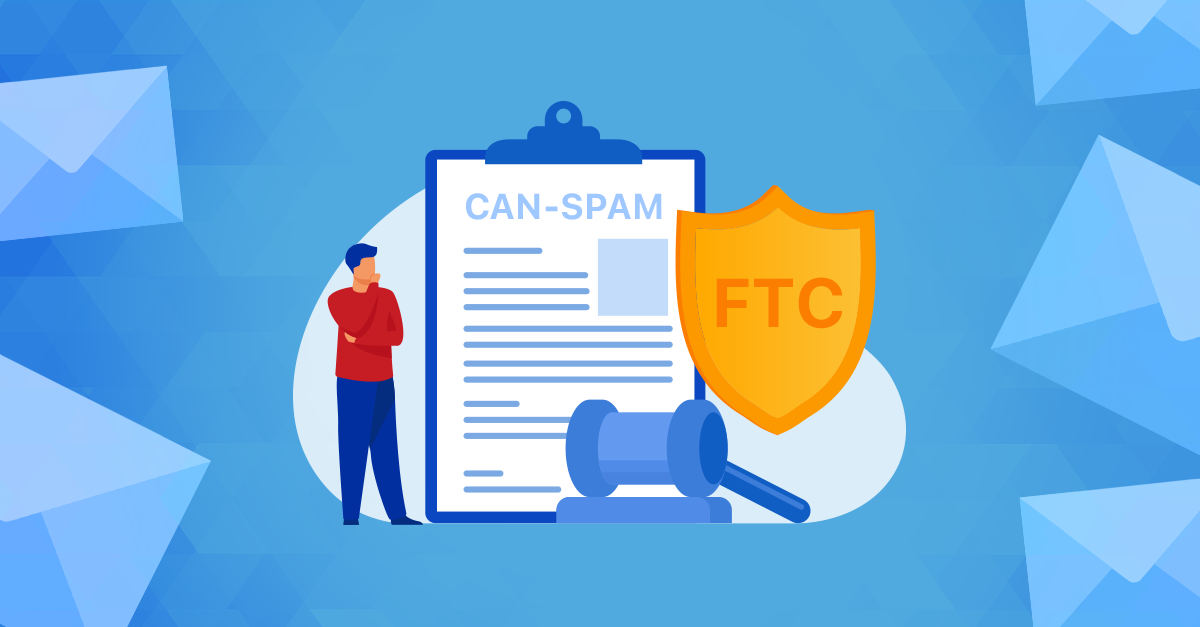
1) Don’t unsubscribe from an email you receive if the email message does not appear CAN SPAM compliant. Largely, make sure the email contains the mailing address of the sender/advertiser. If there is no physical mailing address, forget it.
2) Be more wary of unsubscribe links that either require you to put in your email address or pass in your email address to the unsubscribe link. These are the links that typically are used for harvesting. That said, there are a lot of reputable companies that use these types of links, so always consider the sender in these cases and whether they pass rule 1.
3) And, as a cheap plug, consider a service like LashBack – which does all this for you.
I look forward to any thoughts or feedback.
Eric Castelli
Chief Technology Officer
LashBack LLC